The Form That Decides If You're a Donor
Countries keep debating whether to switch organ donation to 'opt-out', and it's the most famous example of how much a default can change what people do, with a twist about what the numbers really measure.
- • In opt-in countries 'effective consent' ranged from about 4% (Denmark) to about 28% (the Netherlands); in opt-out countries it ran from 86% (Sweden) to almost 100%.
- • Spain's opt-out law is called 'dormant' by Spanish experts: families are always asked and their wishes are final, and family refusals fell from about 30-40% to about 15% after the 1989 system.
- • A 2019 comparison of 35 rich countries found opt-out countries had fewer living donors: about 4.8 per million people versus 15.7 in opt-in countries.
If it gets heated: If a kid says 'everyone should obviously be a donor', agree that many lives are at stake, then ask whether a yes you never actually said is really yours. If a kid says 'it's creepy to assume', ask what they'd want their family to know. Steer toward one useful point: whatever the law, families usually decide, so telling them your wishes matters.
When your phone picks a setting, do you ever change it? Now imagine that same shrug decides what happens to your body after you die.
Two systems. Opt-in: you're an organ donor only if you sign up. Opt-out: you're a donor unless you say no. Most people never fill in either form, so the default rules.
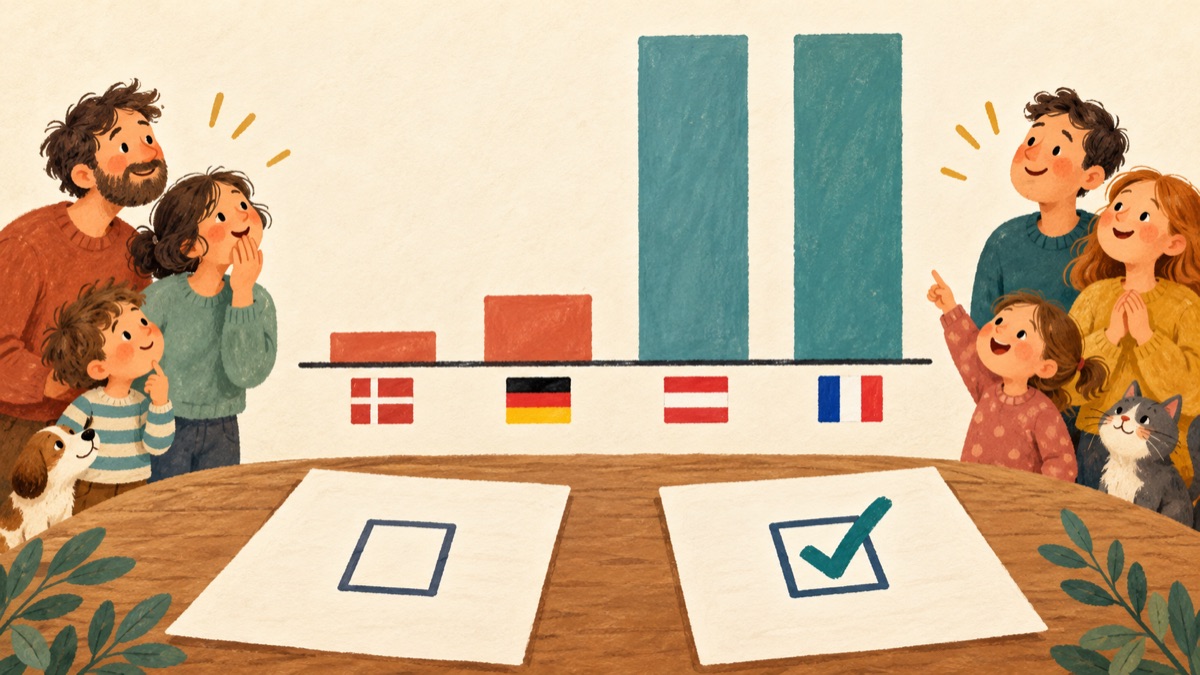
Defaults are powerful. Opt-in Germany: about 12% counted as donors. Opt-out Austria: almost 100%. Why? People read the default as the recommended choice. Pondering your own death is grim, so they dodge it. And switching away feels like giving something up.
Twist: that near-100% counts people who didn't say no, not actual donors. A 2019 comparison of 35 rich countries found no significant difference in deceased donors. Why? At the bedside, families are still asked, and usually decide.
Spain, the opt-out superstar, passed its law in 1979. Donations barely moved for 10 years, then climbed once it built a national donation system in 1989.
Supporters fire back. In one US poll, 85% approved of donation but only 28% had signed a card: opt-out closes that gap. And after Wales switched, family consent crept up: nearly 3 years in, the odds of a yes were double England's.
Critics reply: a yes you never said isn't really yours.
Helpful nudge, or a decision made for you?